 EN
EN

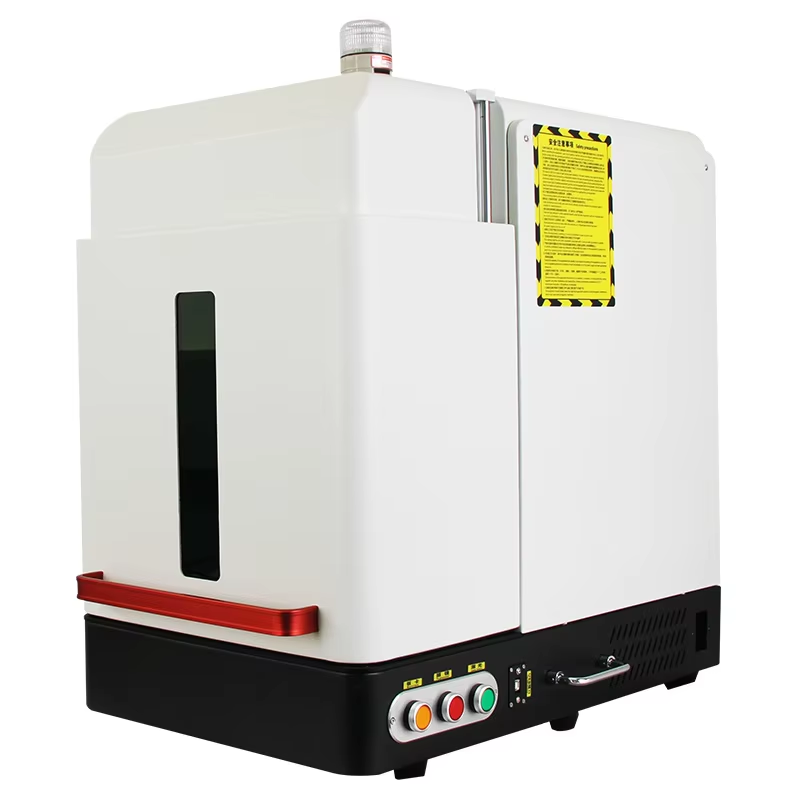
How Laser Cleaning Machines Remove Rust: Core Physics and Process Advantages
Laser ablation mechanics: Selective oxide layer vaporization without substrate damage
Laser cleaning equipment gets rid of rust using something called photothermal ablation. Basically, when the laser pulses hit the surface, the rust absorbs most of the energy and heats up really fast, turning into plasma at around 5000 degrees Celsius without damaging the base metal underneath. Rust just eats up those typical industrial laser wavelengths better than plain steel does. Since there's no physical contact involved, the process doesn't create any mechanical stress on the material. That means we avoid problems like tiny cracks forming, metal getting harder from stress, or changes in dimensions. The stuff that gets vaporized during cleaning goes right into HEPA filters built into the system, so the cleaned surfaces actually qualify under ISO 8501-1 Sa 3 standards for getting ready to apply coatings. Tests show these machines can knock out over 99.9 percent of rust while keeping the original material thickness pretty much unchanged.
Why laser cleaning machines outperform chemical, abrasive, and mechanical methods for precision metal prep
When it comes to rust removal, laser technology beats out old school methods when looking at safety factors, how accurate it is, and environmental impact. Chemical stripping creates dangerous waste that needs special disposal handling. Companies spend a ton on this stuff too, with average yearly compliance fees going over seven hundred forty thousand dollars according to Ponemon Institute research from last year. Then there's abrasive blasting which wears away the base metal about 25 micrometers each time they blast, plus leaves behind media particles. Mechanical brushing isn't much better either, since around 40 percent of the time it fails to remove all those pesky oxides, making corrosion problems come back faster. Laser cleaning offers something different though.
| Parameter | Traditional Methods | Laser Cleaning |
|---|---|---|
| Surface Integrity | Micro-damage likely | Base metal preserved |
| Environmental Impact | Toxic byproducts | Zero waste |
| Precision Control | Limited | ÂØ0.1 mm accuracy |
Its non-abrasive, non-chemical nature maintains original metallurgical propertiesâcritical for aerospace components, welded joints, and heritage restoration. When paired with automation, real-time parameter tuning adapts to variable rust thickness and geometry, making it the preferred solution where surface fidelity directly impacts performance or regulatory compliance.
Optimizing Key Laser Parameters in Industrial Cleaning Machines
Power density, pulse duration, and scan speed: Balancing removal rate and surface integrity on ferrous metals
The effectiveness of ablation and safety of the substrate depend on three main factors working together: power density, how long each pulse lasts, and how fast the system scans across the surface. Most industrial setups run between about 1 million to 1 billion watts per square centimeter. That's enough to get rid of rust without changing what happens inside low carbon steel at a microscopic level. When it comes to pulse length, somewhere between 10 and 100 nanoseconds seems best. Short pulses keep most of the heat where we want it - right in the oxide layer - while still giving time for everything to break down properly. The scan speed needs to match these settings just right. Take cast iron for instance. Moving at around 100 millimeters per second preserves the surface quality while getting through about 0.8 square meters every hour. Different materials handle heat differently too. Stainless steel type 316L can take much higher power levels, sometimes up to 1.2 to 1.8 gigawatts per square centimeter, because chromium spreads out the heat better. This means operators really need to adjust their equipment based on exactly what material they're working with.
Standoff distance, beam angle, and spot size: Practical calibration guidelines for consistent rust removal
Getting consistent results really comes down to keeping everything properly aligned physically. The standoff distance should be somewhere between 200 and 400 mm for even fluence distribution across the surface. If this distance varies more than 15% either way, we start seeing problems with cleaning consistency and areas where material isn't removed properly. When working with shiny or polished materials, aim to keep the laser beam at around 15 degrees off straight on. This helps reduce unwanted reflections while letting the laser penetrate through rust layers effectively. The spot size matters too - anything from 0.2 to 5 mm in diameter changes what we can do. Smaller spots give better detail work on complicated shapes, while bigger spots clean faster across flat surfaces. For rough or bumpy surfaces, try overlapping passes by about 20 to 30%. This covers those tricky spots where the surface isn't flat. Before starting any job, run through a quick calibration routine. Check how reflective the surface is first, then do a small test pattern. Keep adjusting the focus until the plasma looks steady and consistent. Skipping this step can waste nearly half our energy due to poor alignment.
Smart Automation Features That Boost Real-World Efficiency of Laser Cleaning Machines
Real-time plasma emission monitoring and closed-loop parameter adaptation
Modern laser cleaning tech now comes with those fancy optical sensors running at lightning speed. These sensors basically read the light patterns from the plasma created when material gets blasted away. The system then knows exactly when all that oxide stuff has been vaporized completely. And here's what matters most for good results the moment the laser starts messing with the actual base material instead of just the surface layer. With closed loop controls built right in, the machine can tweak both how much power each pulse delivers and how often those pulses happen while still working on a part. Tests show this approach cuts down on incomplete cleaning problems by about forty percent overall. Plus, it stops heat damage to surfaces from happening around thirty two percent of the time compared to older methods. Traditional setups where everything stays locked at set parameters simply cant handle differences in rust types, how thick they are, or how tightly stuck they become without someone constantly watching over things manually.
Integrated motion control and robotic path optimization for high-throughput metal surface preparation
The latest laser cleaning tech combines galvanometer scanners with robotic arms controlled through advanced 3D path planning software. These systems adjust the laser beam's path in real time when dealing with complicated shapes like turbine blades, pressure vessels, or car frames, getting down to details as small as microns. The system avoids going over the same spot multiple times thanks to smart overlap detection, and can scan continuously at speeds reaching around 7 meters per second. This allows factories to clean about 50 square meters each hour during regular operations. By thinking ahead about energy usage during movement, manufacturers typically cut their power costs by roughly 28% per square meter cleaned. This not only saves money but also keeps surfaces looking uniform even when working on big metal parts for extended periods.
Preventive Maintenance Strategies to Sustain Long-Term Laser Cleaning Machine Performance
Keeping up with regular maintenance makes all the difference when it comes to maintaining rust removal effectiveness and getting more years out of those industrial laser cleaning machines. The optical parts like lenses, mirrors, and scanner windows need checking at least once a week for any dust buildup, metal splatters, or other residues. Believe it or not, even tiny particles smaller than a micron can mess with the laser beam and cut down on how well it removes material, sometimes by as much as 40%. Every three months or so, focus optics and scan heads should go through their calibration routine following what the manufacturer recommends. This keeps the power levels right and maintains the proper beam shape, which matters a lot for consistent oxide removal and protecting the underlying material from damage. Watch those temperature readings closely too. If the laser source or chiller runs hotter than normal for long periods, it will wear out the diodes faster and create unstable laser modes. Smart maintenance systems now track things like energy loss over time, how efficient the cooling is working, and unusual vibrations throughout the machine. These insights help catch problems early before they turn into big failures. Some plants have started keeping detailed records of service events, which reveals patterns nobody would notice otherwise. For instance, certain facilities dealing with high humidity struggle repeatedly with dirty lenses. Companies that adopt this kind of systematic approach often see around half fewer unexpected shutdowns and keep their equipment performing at top levels even during tough metal prep jobs.
FAQ Section
What is laser cleaning?
Laser cleaning is a process that uses laser beams to remove contaminants and unwanted materials from a surface. It's particularly effective for rust removal, as it selectively targets and vaporizes rust without damaging the base material.
Why is laser cleaning preferred over traditional rust removal methods?
Laser cleaning is preferred because it doesn't produce toxic waste, it preserves the base metal's integrity, and it's more precise. It also offers significant cost savings in terms of disposal and compliance fees associated with chemical methods.
How does laser cleaning avoid damaging the substrate?
Laser cleaning uses photothermal ablation, where the rust absorbs the majority of the laser energy, turning into plasma without affecting the substrate. This method avoids introducing mechanical stress, preventing potential surface damage.
What are the key parameters to optimize in laser cleaning machines?
For effective laser cleaning, it's important to adjust parameters like power density, pulse duration, and scan speed. These factors together help achieve rust removal without affecting the quality of the underlying material.
How can maintenance of laser cleaning machines prolong their lifespan?
Regular maintenance, such as checking optical components for dust buildup and calibrating focus optics, helps maintain the effectiveness of laser cleaning machines. This, alongside systematic monitoring of operational conditions, can prevent unexpected failures and extend machine lifespan.
Table of Contents
- How Laser Cleaning Machines Remove Rust: Core Physics and Process Advantages
- Optimizing Key Laser Parameters in Industrial Cleaning Machines
- Smart Automation Features That Boost Real-World Efficiency of Laser Cleaning Machines
- Preventive Maintenance Strategies to Sustain Long-Term Laser Cleaning Machine Performance
- FAQ Section