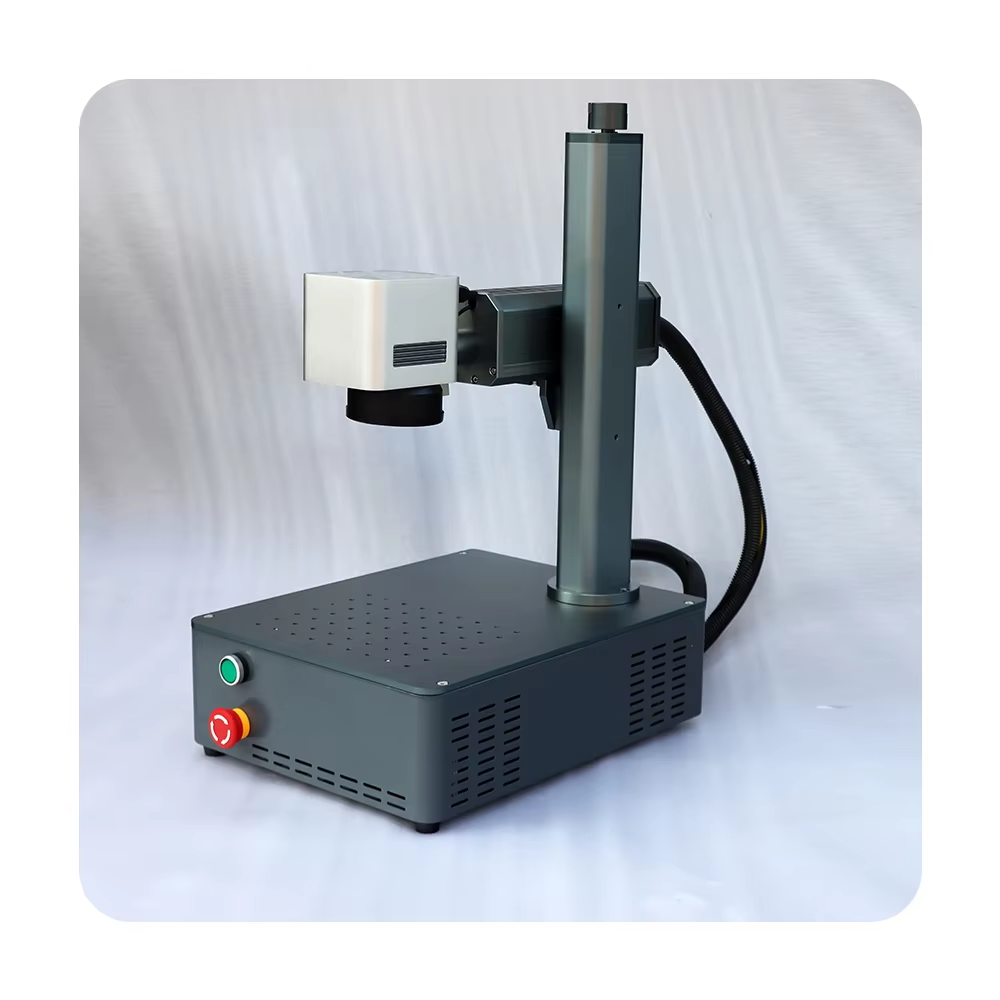
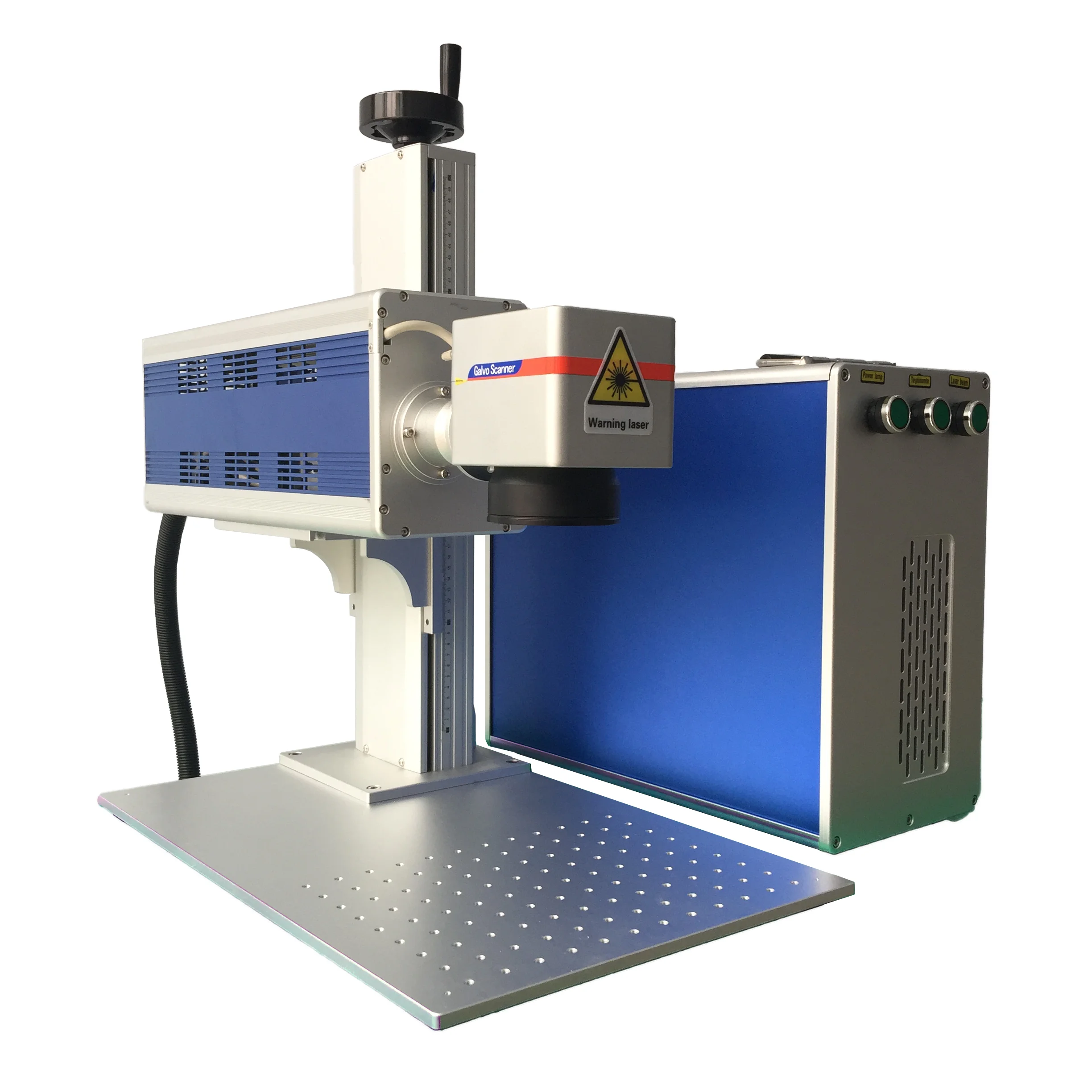
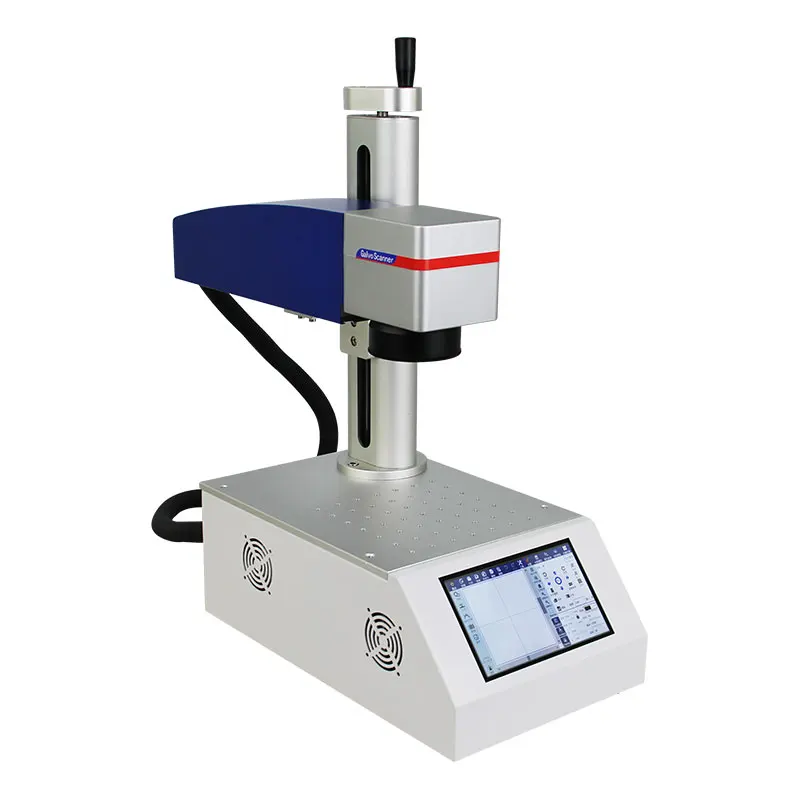
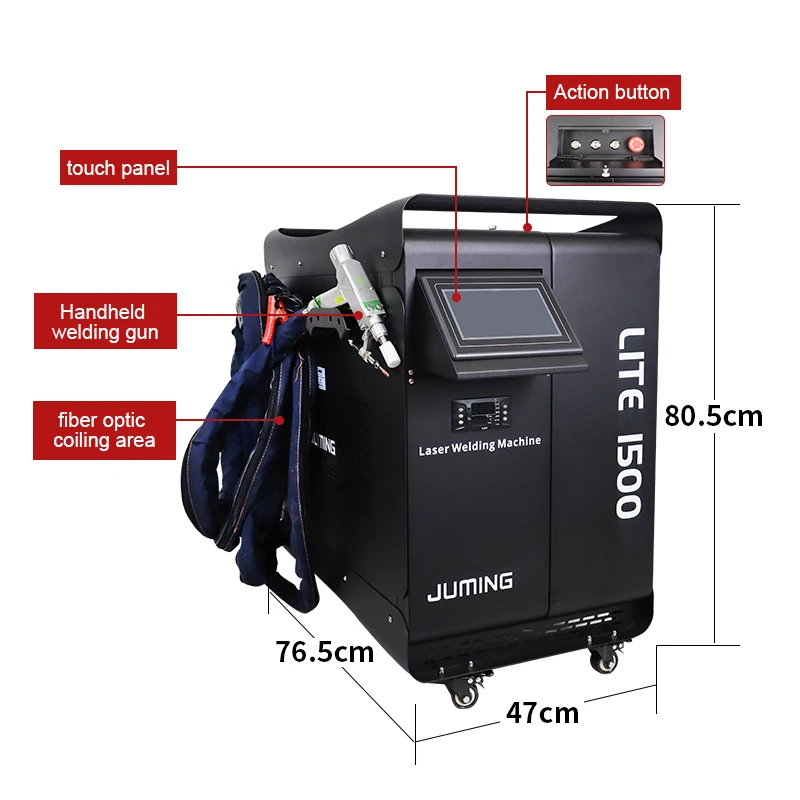
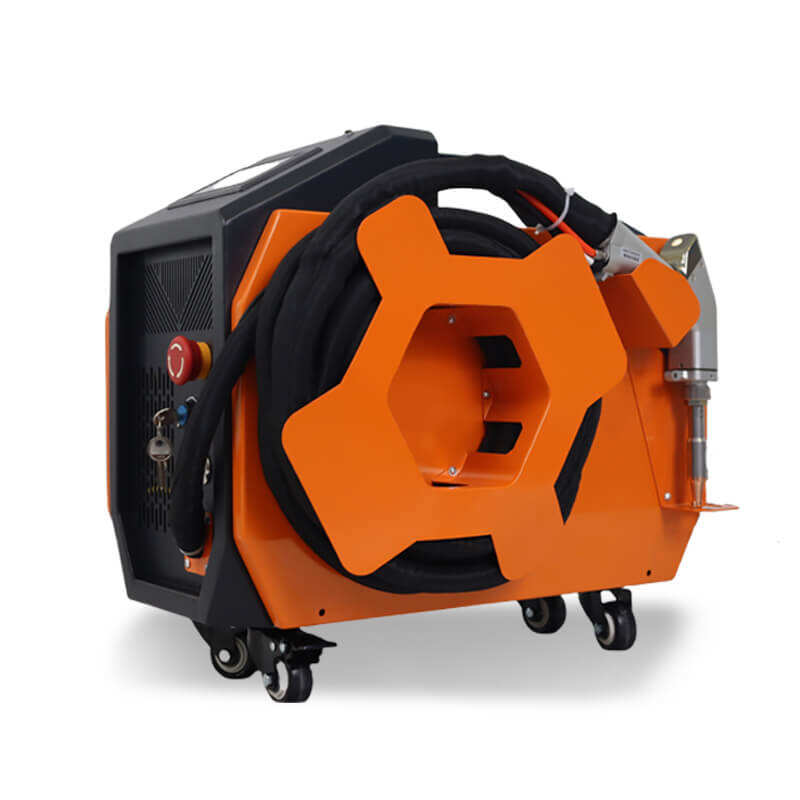

The application prospects for wood laser cleaning equipment are experiencing explosive growth with the rise of environmental protection technology and precision craftsmanship. In the field of antique furniture restoration, this equipment has become a revolutionary tool thanks to its non-contact precision cleaning capabilities—it can remove centuries-old patina, layers of paint, or smoke stains from fires without causing any damage, while preserving the carved patterns and natural wood grain, allowing priceless rosewood armchairs to regain their former glory. Ancient building restoration projects are its main application area: Whether it's the carved beams of a temple, the oak door frames of a European castle, or the wooden partitions of a traditional Huizhou-style residence, the laser can remove weathered layers, moss growth, and improperly applied chemical coatings without damaging the fragile wooden structure, adhering to the core principle of “minimal intervention” in cultural heritage preservation—a feat unmatched by sandblasting or chemical washing.
In fire-damaged sites, the traditional water-washing cleaning method that causes wood deformation is effectively resolved. The equipment can precisely control energy to selectively remove carbonized layers from roof beams, from soot-blackened church pews to charred roof beams, reducing repair cycles by 60% while avoiding secondary damage. The surface pretreatment market also holds immense potential: piano manufacturers use it to replace sandpaper for polishing soundboards, yacht clubs use it for teak deck paint removal and maintenance, and solid wood flooring companies use it to remove old paint layers without the need for pungent solvents—this zero-pollution, zero-waste characteristic is driving it to become a standard in high-end wood product manufacturing.
Emerging fields further signal a vast blue ocean: art restorers use lasers to revive insect-damaged African wooden sculptures, wood recycling companies efficiently clean rust and oil stains from discarded railway sleepers, and violin workshops clean the inner walls of F-shaped sound holes with micron-level precision. As the global push toward carbon neutrality accelerates, this technology—which emits no wastewater or exhaust gases—has earned the endorsement of the LEED green building certification system. The maturation of automated integration solutions will further drive its penetration from professional studios into industrial settings such as furniture factories and shipyards. As traditional craftsmanship faces dual pressures from environmental regulations and rising labor costs, laser cleaning technology—combining precision, efficiency, and sustainability—is redefining the value standards across the entire wood processing supply chain.