Understanding the pricing logic of laser cleaning machines essentially involves evaluating an investment in a game-changing industrial technology. When you search for “laser cleaning machine prices,” you are essentially assessing how to achieve cost savings and efficiency gains throughout the entire lifecycle of equipment by precisely removing rust, paint, and oxides. Traditional cleaning methods like sandblasting or chemical stripping can cause thousands of dollars in production downtime per hour, while laser cleaning technology can boost cleaning efficiency by 80%, enabling critical equipment to resume operation in minutes rather than days—meaning every dollar you invest is buying valuable production time.
The more fundamental value lies in eliminating hidden costs. Laser cleaning machines require no consumables such as abrasives, solvents, or water, saving over $10,000 annually in consumable costs alone. Their photoacoustic effect-based contamination removal principle achieves micron-level precision, ensuring zero damage to the base material of precision components like bearings and gears, thereby avoiding subsequent replacement costs of tens of thousands of dollars. Additionally, it fully complies with the world’s most stringent EPA/OSHA environmental and safety standards, completely avoiding worker health lawsuits and fines of hundreds of thousands of dollars caused by harmful dust—these hidden cost killers are often masked by the low-cost appearance of traditional cleaning methods.
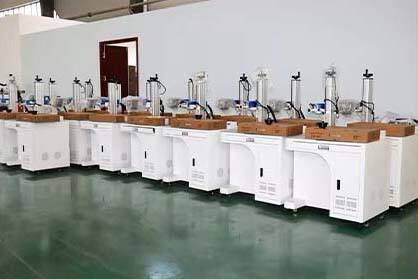
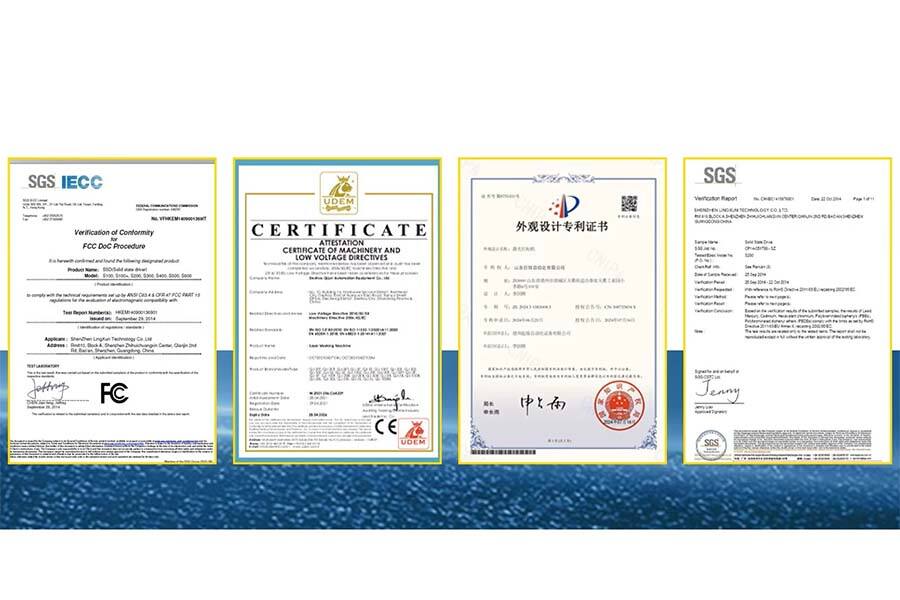
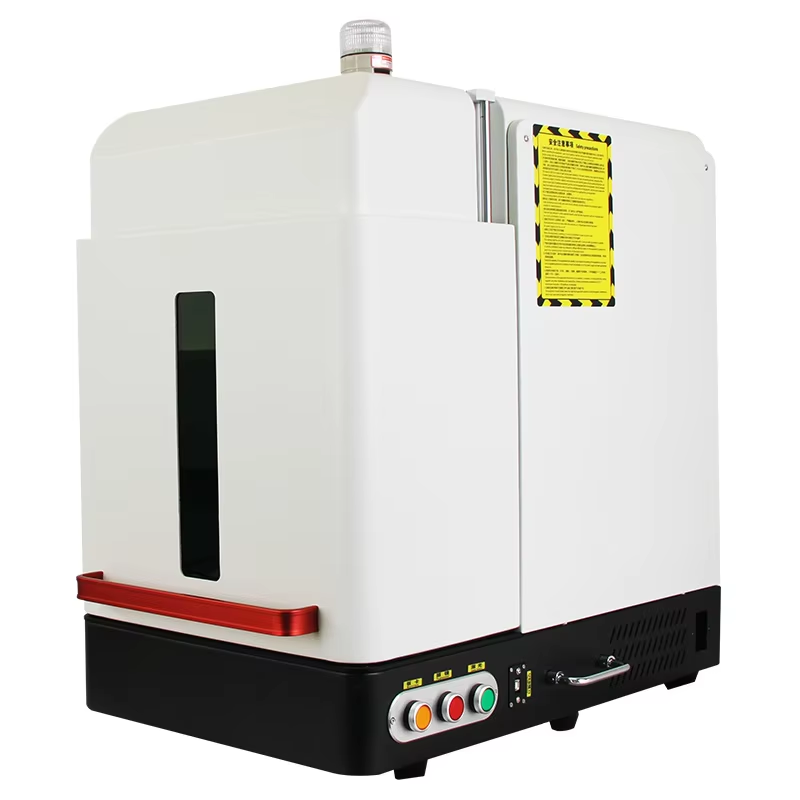
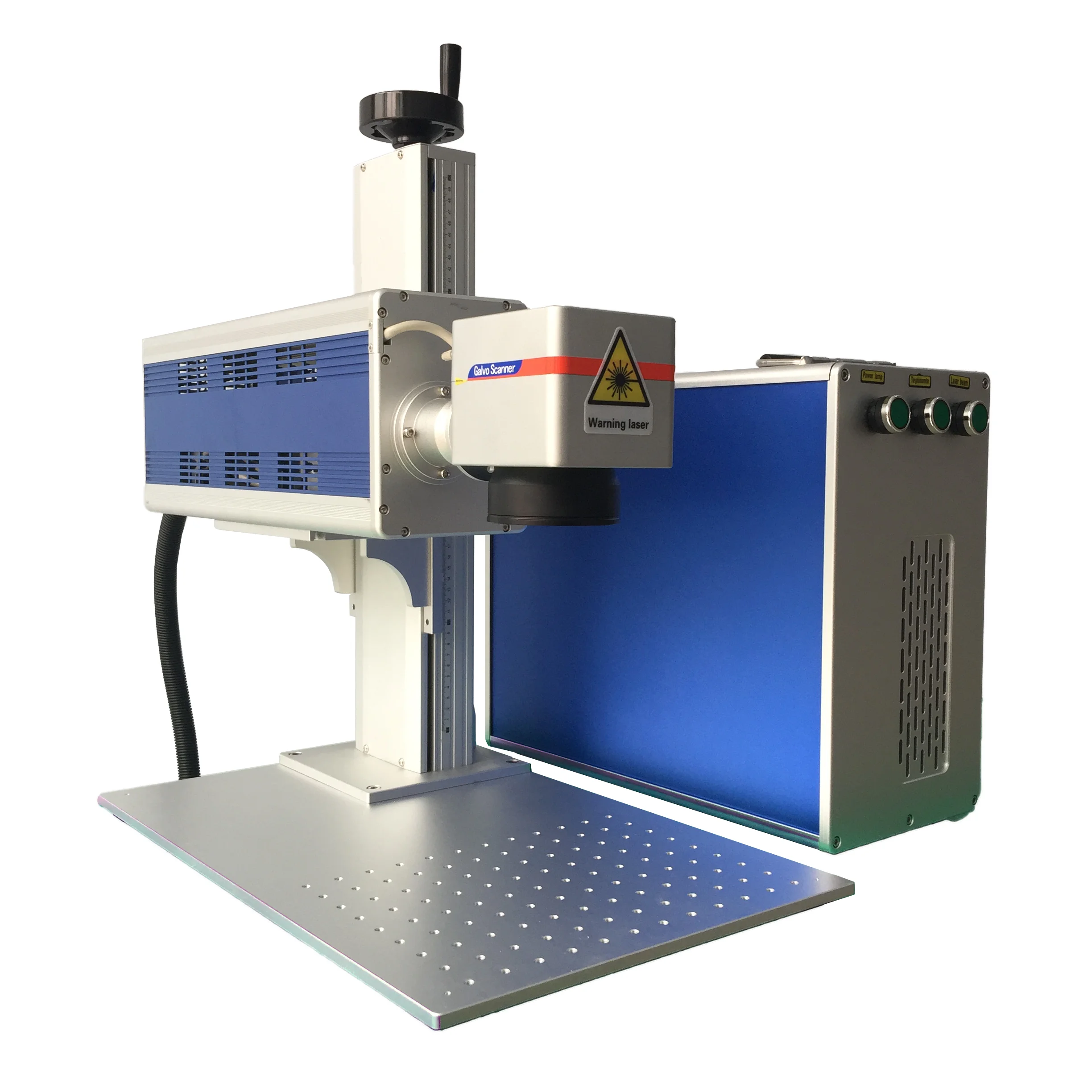
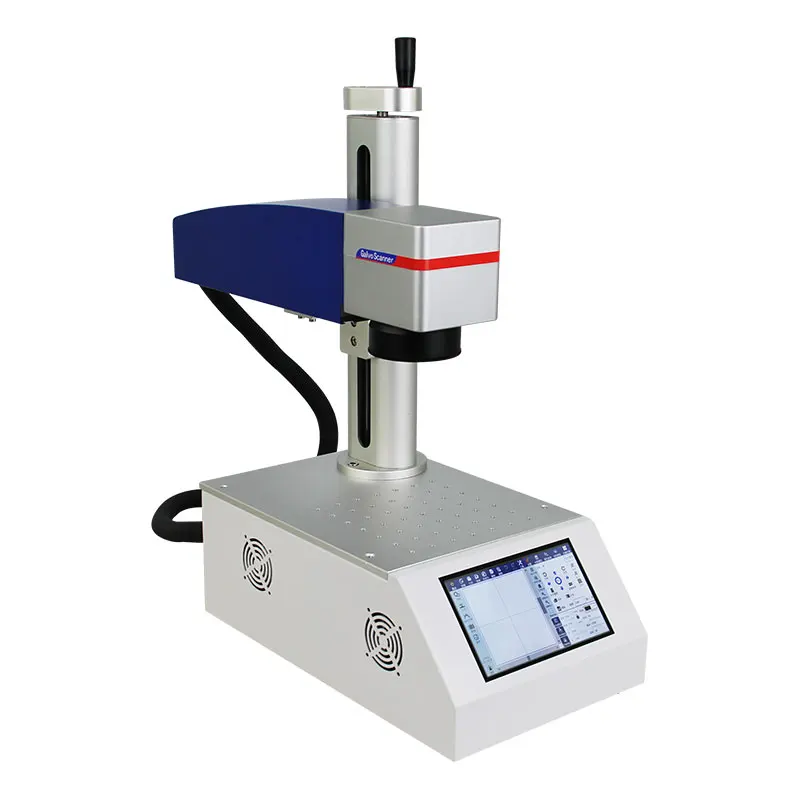
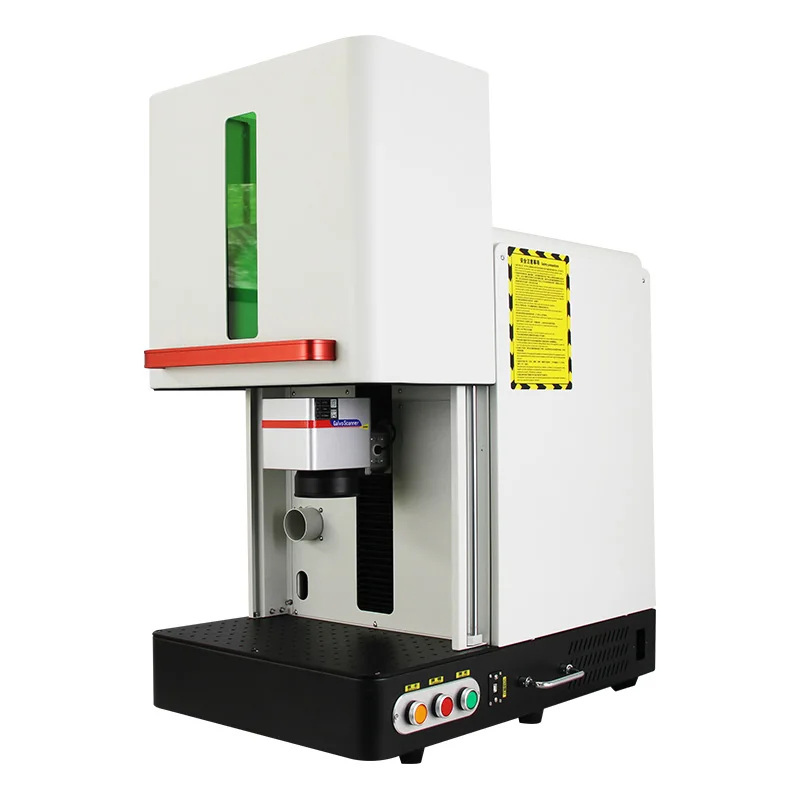
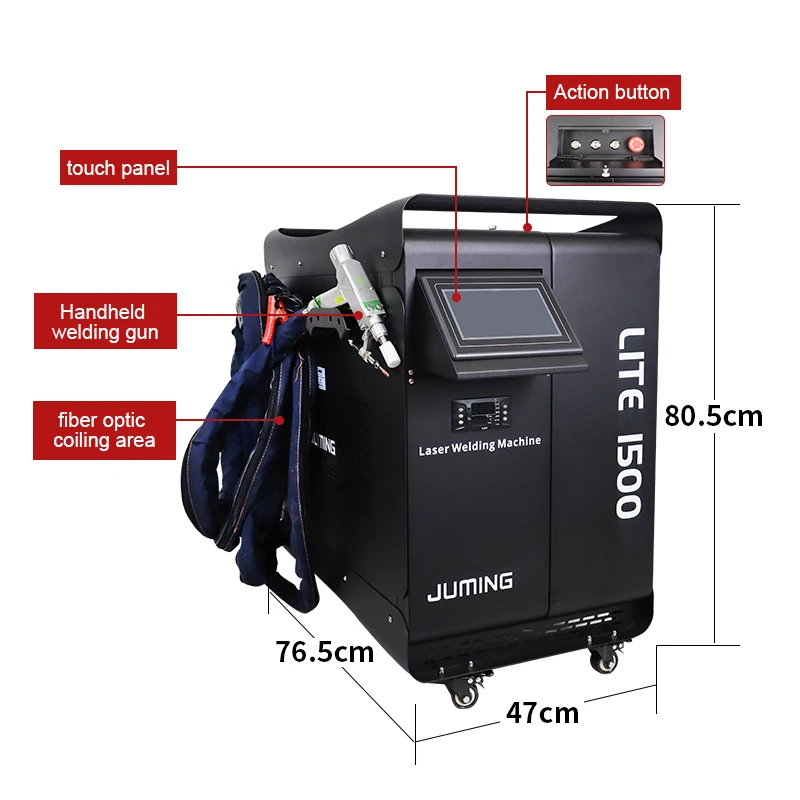
The price difference between devices reflects the depth of technology. Entry-level 50W models (approximately $15,000) are suitable for light coating treatment, while professional-grade systems above 500W (4–150,000 USD) can instantly vaporize thick industrial rust layers. Their price reflects the advanced optoelectronic modules such as fiber lasers and galvanometer systems. When you choose an automated model with CE/FDA certification, you are essentially purchasing three benefits: a 200-400% extension of equipment lifespan, green productivity compliant with future regulatory standards, and the strategic advantage of converting downtime costs into increased production capacity. This is why, despite higher initial investment costs, high-end models demonstrate a superior return on investment over a three-year cycle.