Understanding the Key to Laser Cleaner Costs: Revealing Its Core Value
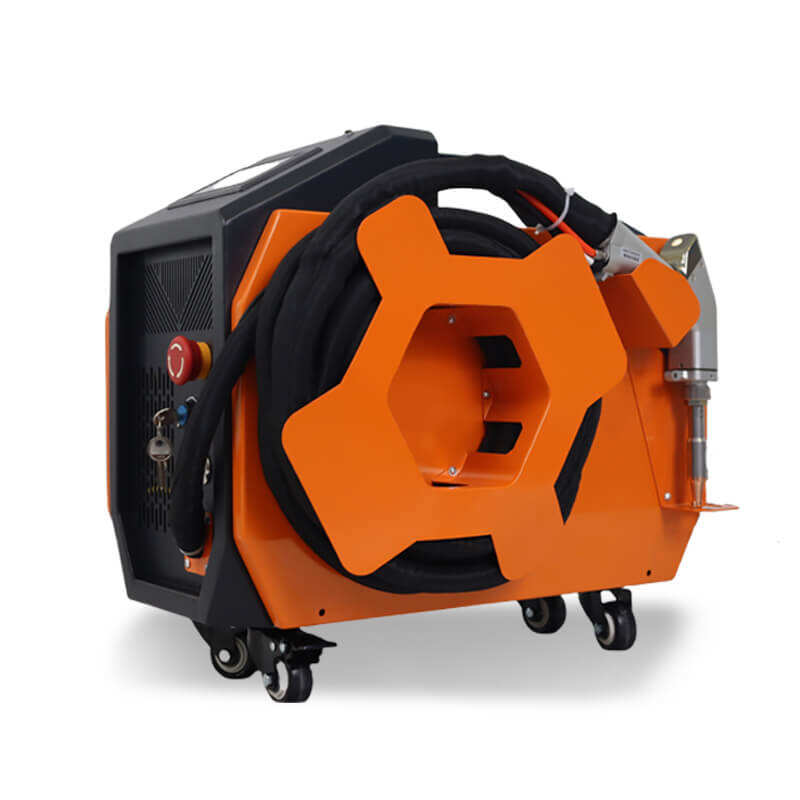
When evaluating the cost of a laser cleaner, it is essential to deeply understand the immense value it offers. This is far from an ordinary piece of equipment; it is a disruptive technology that is profoundly transforming surface treatment processes across numerous industries, including manufacturing, cultural heritage preservation, and energy infrastructure. Its cost represents a concentrated investment in efficiency, sustainability, precision processing capabilities, and long-term asset protection—values that traditional methods struggle to match.
Traditional methods such as sandblasting, chemical agents, or mechanical grinding often damage the base material. Laser cleaning, however, leverages its unique selective removal capability to remove rust, paint, oxides from metals, or various contaminants from stones and precision components without causing any damage, while perfectly preserving the integrity of the underlying material. This is particularly critical in protecting critical infrastructure, extending the lifespan of high-value machinery, or restoring historical artifacts, significantly reducing the costly replacement of assets. In the highly demanding fields of aerospace, precision manufacturing, and art restoration, lasers offer unmatched micron-level precision, enabling safe handling of complex structures, precision welds, or fragile surfaces while fully preserving the original functionality of the material. This is a key demonstration of its value in high-end applications.
Laser technology has also pioneered a revolution in safety and environmental protection. It completely eliminates the harmful dust, toxic fumes, hazardous waste liquids, and noise hazards associated with traditional methods, providing a clean, dust-free, dry process that does not use any hazardous chemicals or abrasives. This significantly enhances operator safety and health, simplifies compliance with strict environmental regulations (such as OSHA and EPA), and drastically reduces waste disposal and protective equipment costs. In terms of efficiency, laser cleaning stands out, often reducing project timelines by 50-70% or more. It is easy to install, requires no ongoing purchase of consumables (abrasives, solvents, water), and is simple to clean, thereby greatly improving equipment utilization and production throughput. By reducing downtime and lowering operational costs, it effectively balances the initial investment.