 EN
EN

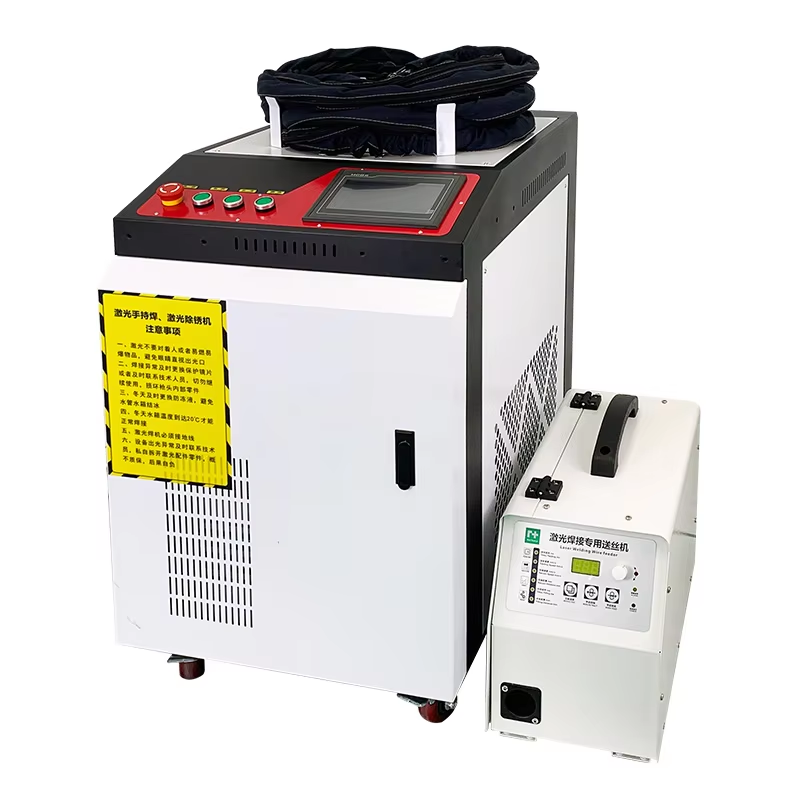
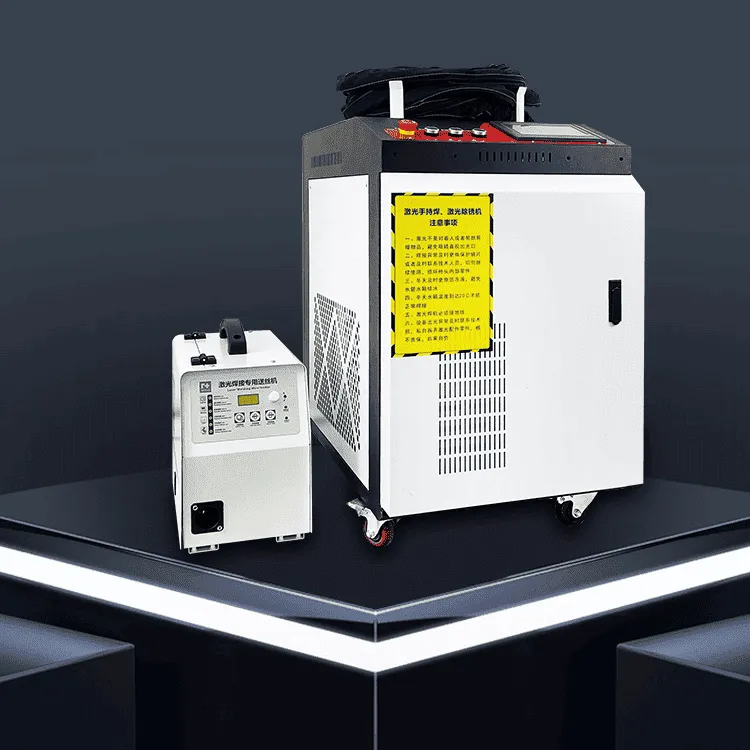
How Water Cooling Enables Sustained High-Power Output
Water cooled laser welders take advantage of how liquids move heat away better than air does, which helps keep things running smoothly even after hours of work. The reason? Water can soak up about four times as much heat for the same amount of space compared to regular old air. That means these machines can keep cranking out power without breaking down or losing effectiveness over time. When the system manages heat properly, important parts like laser diodes and optical components stay within their sweet spot temperature range. This stability makes all the difference in maintaining consistent welding quality and extending equipment lifespan across different industrial applications.
- Consistent beam quality across extended welding cycles
- Uniform penetration depth in thick materials
- Prevention of thermal throttling in high-duty applications
Industrial studies show that liquid cooling maintains component temperatures 15–30°C lower than air-cooled systems under equivalent loads, supporting uninterrupted production essential in automotive and aerospace manufacturing.
Air Cooled Laser Welders: Thermal Limits and Duty Cycle Constraints
Air cooled systems are limited by air’s low specific heat capacity (1.005 kJ/kg·K vs. water’s 4.18 kJ/kg·K), leading to:
- Required cooldown periods after 10–15 minutes of continuous high-power welding
- Gradual power derating beyond 50% duty cycles to avoid overheating
- Increased wear on optical components when temperatures exceed 40°C
These limitations make air cooled units better suited for low-volume job shops or prototyping. Thermal imaging confirms they reach peak temperatures 20% higher than water cooled systems when welding reflective metals like aluminum.
Application Fit: Matching Cooling Type to Welding Requirements
The decision between water and air cooled laser welders really comes down to what kind of welding job needs doing and how it fits into daily operations. Air cooled models are great when portability matters most since they don't require complex installation setups. These work well for folks doing field repairs, running small fabrication shops, or tackling those one-off welding jobs that pop up now and then. But there's a catch worth mentioning here. When pushed too hard for long periods at maximum power levels, these air cooled units tend to shut themselves off automatically to prevent overheating damage. Water cooled alternatives tell a different story altogether. They deliver rock solid thermal performance that stands up to non-stop heavy duty work without breaking a sweat. The superior cooling system keeps the laser beam stable throughout extended sessions, which means better weld results even after hours of operation. For manufacturers dealing with large production runs, working with thick metals, or needing absolute precision where temperature fluctuations could ruin everything, water cooled systems become practically indispensable. Look closely at how often equipment will be used, what power levels are needed day to day, and whether space allows for proper installation before deciding. No single option works best for every situation out there.
Total Cost of Ownership: Upfront Investment, Maintenance, and Long-Term Reliability
Water Cooled Laser Welders: Higher Initial Cost, Lower Long-Term Wear
Water cooling systems generally require a bigger investment at the start because they include things like chillers, pumps, and all those coolant loops. But what makes them worth considering is how their closed loop setup actually cuts down on thermal stress for laser diodes and optical parts. The system keeps everything running under 30 degrees Celsius or around 86 Fahrenheit, which really helps prolong equipment life. Components tend to last anywhere from 30 to 50 percent longer than what we see with air cooled alternatives. While the initial price tag might be higher, most businesses find that they save money over time since there's less need for regular maintenance and replacement parts after about three to five years of operation. Plus, water just works better at moving heat away from sensitive components compared to air. Industry data shows water can transfer heat roughly twenty five times faster than air does, so this leads to reduced power usage and genuine cost savings down the road for many manufacturing operations.
Air Cooled Laser Welders: Simplicity, Portability, and Operational Trade-Offs
Air cooled laser welders make installation easier and offer better portability since they don't need any external chillers or water connections. The small footprint works well for jobs that move around or spaces where room is tight. But there's a catch when running these machines continuously above 1 kW power level. The internal temps can climb past 60 degrees Celsius (around 140 Fahrenheit) pretty quickly, which forces the system to shut down automatically to protect itself. Regular maintenance matters too. Filters need replacing periodically and fans should be cleaned regularly to keep dust from building up something that really worries plant managers in dusty factories. Sure, upfront costs come in 20 to 40 percent cheaper compared to water cooled models, but operators find themselves paying more over time because of increased electricity bills and parts wearing out faster. Most shops stick with air cooled systems for occasional welding tasks instead of relying on them for non-stop production runs where reliability counts most.
Decision Framework: Key Questions to Guide Your Selection
Picking the correct cooling system means looking at several important aspects: what kind of power is needed, where the equipment will be used, how much money is available, and who will maintain it. Let's start with power requirements. Water cooled systems handle continuous operation beyond 2 kW without breaking a sweat, but air cooled ones usually hit their limit around 1 to 1.5 kW when running nonstop because of heat constraints. Next up, think about the actual workspace. Tight spaces or places with bad airflow work better with small, no-fan air cooled units. Big factories that have reliable infrastructure can go for water chillers though. Money matters too. Air cooled welders cost between $15k and $25k upfront, which makes them attractive for smaller budgets. However, water cooled systems last about 30% longer before parts need replacing, so they often make more sense financially in busy production environments. Maintenance is another consideration. Air cooled models don't need anyone checking coolant levels, making them easier to manage day to day. Water cooled versions do require monthly fluid inspections, but they protect sensitive components from heat damage over time. When manufacturers take all these points into account, they end up choosing cooling solutions that actually fit their specific shop floor realities rather than buying something too big or ending up with gear that breaks down too soon.
FAQs
What factors should I consider when choosing between water and air cooled laser welders?
Consider the power requirements, operational environment, budget limitations, and maintenance needs. Water cooled systems support high power levels and continuous operations, while air cooled systems are best for portability and lower power demands.
Are water cooled systems more cost-effective in the long term?
Yes, although water cooled systems tend to have higher initial costs, they offer longer component lifespan and lower maintenance, which can lead to cost savings over time.
Which type of laser welder is better for portable or remote applications?
Air cooled laser welders are more suitable for portable or remote applications due to their simpler installation and lower space requirements.
Why is water more efficient at cooling compared to air?
Water has a significantly higher specific heat capacity than air, absorbing and transferring heat more effectively, which provides superior cooling efficiency.