 EN
EN

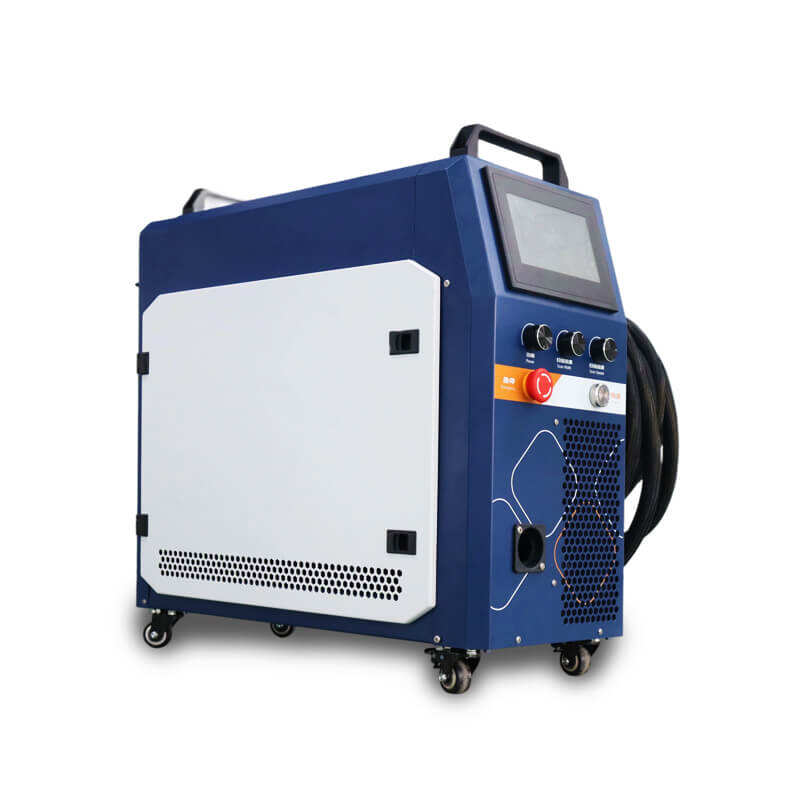
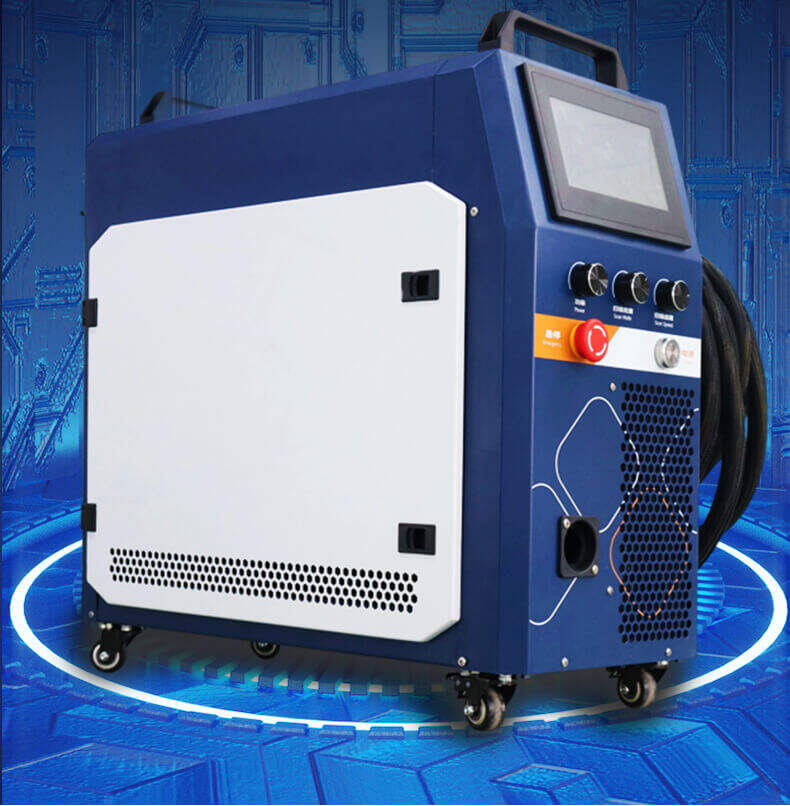
Why Jewelry Welding Machines Outperform Traditional Soldering for Micro-Precious Metal Assemblies
Limitations of Torch Soldering: Thermal Spread, Alloy Discoloration, and Joint Integrity Loss in Fine Gold/Silver Work
Torch soldering brings all sorts of headaches when working on delicate jewelry pieces. The heat tends to spread way too far from where it's needed, often going over 3mm past the actual joint area in gold and silver work. This overheating softens parts that should stay hard and weakens the whole structure, particularly noticeable in intricate filigree work or those tiny chain links. When temps go past about 650 degrees Fahrenheit, something bad happens between the flux left behind and the metal alloys. The result? Surface oxidation that can't be undone. Throw in the fact that solder doesn't always flow properly through narrow spaces, and we're looking at failure rates around 15 to 22 percent when stress tested according to Precious Metals Institute data from last year. Pretty worrying stuff for those super small joints measuring less than half a millimeter across.
Core Advantages of Modern Jewelry Welding Machines: Localized Energy Delivery, No Flux Requirement, and Sub-Millimeter Control
Jewelry welding machines tackle these problems by delivering energy exactly where it needs to go. Both laser and pulse arc systems keep the heat area really small, around 0.3mm or less. This lets jewelers fix delicate 0.1mm gold wires without warping them, even when they're right next to gems that can't handle much heat. Getting rid of flux means no more worries about contaminating precious metals, plus there's no need for all that tedious cleaning after welding. According to industry standards from 2023, this cuts down on finishing work by about 40%. With closed loop thermal monitoring, welds now hit sub millimeter precision levels. The positional accuracy gets down to under 50 microns, which opens up possibilities for repairing pieces with stones still set in place something that wasn't really possible before these machines came along.
Laser vs. Pulse Arc Jewelry Welding Machines: Matching Technology to Material Sensitivity
Overcoming Gold’s High Reflectivity and Silver’s Low Melting Point Threshold with Adaptive Pulse Shaping
The high reflectivity of gold and the fact that silver melts at around 961 degrees Celsius means we need specific approaches for thermal management when working with these materials. Laser welding tackles this issue through pulsed energy delivery which reduces scattering effects and allows for stable micro welds as small as 300 micrometers. Some advanced systems shape their pulses adaptively, adjusting both how long each burst lasts and the maximum power level to keep things from getting too hot, especially important when dealing with thin silver sheets. Pulse arc technology takes a different route altogether by creating localized electrical arcs that don't get affected by reflective surfaces. But there's a catch here too since maintaining consistent current levels becomes critical for producing reliable results on delicate silver pieces. For those intricate designs like filigree work, specialized versions of micro TIG welding have been developed. These systems send out carefully timed pulses that safeguard delicate structures while still achieving good penetration depth and proper fusion between components.
Closed-Loop Feedback Systems: How Real-Time Monitoring Enables <0.15 mm Weld Zone Consistency in Production
Modern jewelry welding equipment uses closed loop feedback systems to keep weld zones consistent at under 150 microns throughout entire production batches. Infrared sensors watch what's happening in the melt pool area all the time, making quick fixes whenever something goes off track. For instance, those annoying reflection spikes that happen with 18k gold get addressed right away through special mid pulse cooling techniques. The machines actually record around 600 different weld measurements every single hour. This massive data collection supports better tracking of each piece and allows manufacturers to fine tune their processes. Thermal checks in real time stop tiny cracks from forming near where gems are set. Additional thermal imaging makes sure the cooling happens at just the right rate to maintain the metal's grain structure. All these improvements have led to about 40% fewer finishing touches needed after welding according to a study published in Jewelry Tech Quarterly last year.
Thermal Management Protocols for Delicate Jewelry Welding Machines
Getting the temperature right matters a lot when working with delicate 18K gold filigree pieces, especially those with tiny joints under 100 microns. The slightest mistake with heat can warp things and ruin the whole piece. Studies show that about 6 out of 10 problems with these small welds happen because of bad heat control according to research from the Precious Metals Institute last year. Today's jewelry welding equipment tackles this issue using several methods together. First comes preheating to get everything ready. Then there's something called dual pulse sequencing which helps manage the actual welding process better. And finally, active cooling kicks in after the fact to keep things stable. All these features work hand in hand to preserve both the tiny connections and the original metal structure without causing damage.
Preheating, Dual-Pulse Sequencing, and Active Cooling Strategies for Sub-100 µm Joints in 18K Gold Filigree
Getting the base material at the right temperature before starting to weld helps prevent thermal shock issues especially when working with very thin materials. The dual pulse method works in stages basically what happens is first there's a gentle low energy pulse that gets rid of those pesky surface oxides then comes the second pulse which actually creates the weld but puts in much less heat overall. For cooling down after welding, jewelers often use either focused air blasts or tiny channel systems filled with liquid coolant these take away leftover heat super fast so the area affected by heat stays really small usually less than half a millimeter wide. This matters a lot for intricate designs because traditional torch methods or regular welding would just melt away all those delicate details. According to feedback from actual jewelers who've switched to these techniques, they end up having to redo work about 40 percent less frequently which shows how much better quality control becomes with proper process management.
| Strategy | Function | Benefit for Filigree |
|---|---|---|
| Controlled Preheating | Gradual temperature ramp-up | Prevents thermal shock cracking |
| Dual-Pulse Sequencing | Staged energy delivery | Limits heat penetration depth |
| Active Cooling | Immediate post-weld heat extraction | Maintains sub-100 µm joint definition |
FAQ
What are the main advantages of jewelry welding machines over traditional torch soldering?
Jewelry welding machines provide localized energy delivery, eliminating the need for flux and enabling sub-millimeter control. This reduces thermal spread and maintains the integrity of delicate pieces.
Why is laser welding preferred for gold and silver jewelry?
Laser welding effectively handles gold's reflectivity and silver's low melting point through pulsed energy delivery. It ensures reduced scattering and stable micro welds, essential for sensitive materials.
How do closed-loop feedback systems enhance jewelry welding?
Closed-loop feedback systems provide real-time monitoring to ensure consistent weld zones, enabling precise and consistent results even for intricate designs.
What thermal management protocols are used in jewelry welding?
Jewelry welding employs controlled preheating, dual-pulse sequencing, and active cooling to prevent thermal shock and maintain intricate designs.