 EN
EN

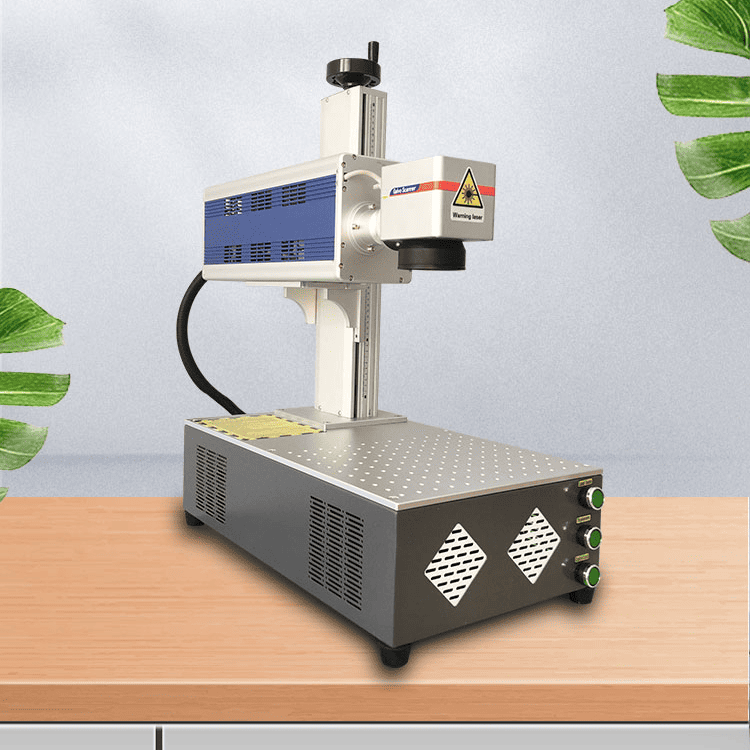
How CO₂ Laser Beam Focus Determines Engraving Precision and Quality
Focal length, spot size, and power density: core physics governing CO₂ laser beam focus
The precision and quality of engravings made with CO₂ lasers depend on three main optical factors working together: how far the lens sits from the material being worked on (focal length), the actual width of the laser beam at its tightest point (spot size), and how concentrated the energy is over a given area (power density). When we shorten the focal length to around 1.5 to 2 inches, the spot size gets much smaller sometimes down to just 0.01 millimeters which boosts power density quite a bit. This allows for really detailed work at the micron level, though it means going slower typically between 200 and 300 mm per second so the material doesn't get damaged by heat instead of properly vaporized. On the flip side, when using longer focal lengths of four inches or more, the spot size increases along with the spread of energy across the surface. This lets us cover bigger areas quickly, but sacrifices the ability to create those intricate details. Here's something important to remember about power density: if the spot size gets cut in half, the power density actually goes up four times! Since different materials react differently to heat and vaporize at various points, getting the focal settings right matters a lot not only for making crisp lines but also avoiding issues like burning or melting the surface unintentionally.
Depth of field vs. material thickness: why focus stability matters across layered or uneven substrates
Keeping the focus stable becomes really important when engraving stuff where the material thickness or surface texture goes beyond what the laser can handle in terms of depth of field. Think of it as the range along the axis where the laser spot stays within about 10% of its smallest possible size. Most standard 2 inch lenses give around 2 mm of depth, but if we switch to a 4 inch lens, that range stretches out to roughly 8 mm instead. Problems start happening when dealing with things like wood that varies in thickness across the grain, layered acrylic sheets, or metals with rough textures that fall outside these limits. When this happens, the laser gets out of focus, which leads to three specific issues that can actually be measured:
- Undercutting, where beam divergence below the focal plane tapers engraved edges;
- Charring, caused by insufficient power density triggering pyrolysis instead of vaporization;
- Incomplete ablation, where uneven energy distribution leaves unprocessed zones or residual coating.
Industrial-grade 3D laser heads address this with dynamic focus compensation, adjusting focal position in real time (with <50 ms latency) to maintain ±0.1 mm focus tolerance—even across complex contours—ensuring repeatable edge integrity and process consistency.
Practical CO₂ Laser Beam Focus Adjustment Methods and Validation Techniques
Manual focus calibration using test burns, kerf width measurement, and focal point mapping
When auto-focus isn't working right or just isn't available, manual calibration still stands as the go to method for checking and adjusting focus settings. Start by doing some test burns on scrap material that looks similar to what will be used for actual work. When the focus is spot on, the marks should look clean and sharp with good contrast, and there won't be much burning around the edges. Then check the kerf width, which basically means measuring how wide the cut comes out after making a straight line through material. If measurements drift more than plus or minus 0.1 mm from what's expected, that usually means something's off with the focus and the lens needs moving. To find exactly where the best focus lies, try running a ramp test. Tilt whatever material is being worked on about 10 degrees and make a straight engraving pass across it. The part of the engraving that appears narrowest and sharpest shows where the laser hits hardest and where focus should actually be set. Using this hands-on method helps avoid those annoying undercuts when working with wood or acrylic materials, and makes sure edges stay defined even when dealing with surfaces that aren't completely flat.
Auto-focus system evaluation: repeatability, sensor limitations, and maintenance considerations for industrial CO₂ laser engravers
Auto focus systems definitely boost productivity while cutting down on what operators need to do manually. But these systems won't work reliably without proper testing and regular upkeep. To check if they're consistent enough, run at least ten straight focus tests on something standard. The results should stay within plus or minus 0.05 mm to hit industry standards. Sensors struggle when dealing with shiny metals or materials that scatter light oddly like brushed aluminum or embossed leather. These surfaces give back weird signals that confuse the system about where it's actually focused, which leads to incomplete engraving jobs. A good trick is to do some test burns on actual samples before starting full production. Keeping things clean matters too. Optical sensors need weekly cleaning to stop dust from messing with their readings. And don't forget to calibrate them every three months using those NIST traceable patterns. Stick to this routine and factories can avoid unexpected shutdowns and keep their focus accurate over time, especially important in facilities handling lots of different products at scale.
Optimizing CO₂ Laser Beam Focus for Material-Specific Consistency and Edge Integrity
Defocus-induced defects: quantifying charring, undercutting, and incomplete ablation across wood, acrylic, and coated metals
Even minor focal errors trigger distinct, quantifiable defects across common engraving substrates—each rooted in how defocusing alters power density and fluence distribution relative to material-specific ablation thresholds.
When wood starts to char visibly, it usually happens around the point where power density drops below about 12 watts per square millimeter. At this stage, the combustion process changes from clean vaporization to incomplete pyrolysis. With acrylic materials, we see undercutting problems because of how heat spreads unevenly across the material. Just a small shift in focus of 0.2 mm can make those edge angles increase between 15 to 25 degrees, which definitely affects how accurate the final dimensions are. For coated metals, things get tricky too. If the laser's peak fluence isn't strong enough to completely break the bond between the coating and the metal substrate, then there will be more than 10% of coating left behind after processing. This leftover coating can cause all sorts of issues down the line.
| Material | Defect | Primary Cause | Mitigation Strategy |
|---|---|---|---|
| Wood | Charring | Power density <12 W/mm² in defocused beam | Maintain focal distance within 5.5–7.5 mm range |
| Acrylic | Undercutting | Asymmetric thermal dispersion from off-axis focus | Validate focus using kerf test patterns before production |
| Coated Metals | Incomplete Ablation | Sub-threshold peak fluence | Increase peak power by 8–12% only after confirming optimal focus |
Research has shown that when there's about half a millimeter of defocus during cutting operations on wood, the carbon residue depth actually doubles compared to properly focused cuts. Acrylic materials exhibit even more variability, with kerf widths changing by around 30% under similar conditions. For coated metal surfaces, any shift beyond 0.3 mm in focus significantly impacts performance metrics, often reducing coating removal efficiency by as much as 40%. That's why many shops still rely on regular focal point mapping techniques. Controlled test burns combined with careful kerf measurements remain the go-to approach for preventing these kinds of issues. While not perfect, this method helps maintain consistent edge quality despite variations between different batches of materials being processed.
FAQ Section
What is focal length in laser engraving?
Focal length refers to the distance between the lens and the material being engraved, which influences the precision and size of the laser spot.
Why is power density important for laser engraving?
Power density is crucial as it determines how effectively the laser can vaporize material without damaging it.
How do auto-focus systems in laser engravers work?
Auto-focus systems automatically adjust the laser's focus to maintain precision, but require regular testing and maintenance to function correctly.
What are common defects caused by incorrect laser focus?
Common defects include charring in wood, undercutting in acrylic, and incomplete ablation in coated metals.